Thursday, December 13, 2012

6 Ways to Heal Winter Dishpan Hands

My hands hate winter. The cold temperatures, windy weather, and germ-busting extra hand washing usually mean my hands, which are often already in danger from lots of cleaning, are even more fragile and susceptible to dryness, cracking, and chapping.

I am determined for this winter to be different. I researched a few natural ways to prevent and heal dry winter skin naturally. Here's my action plan:

Drink water.
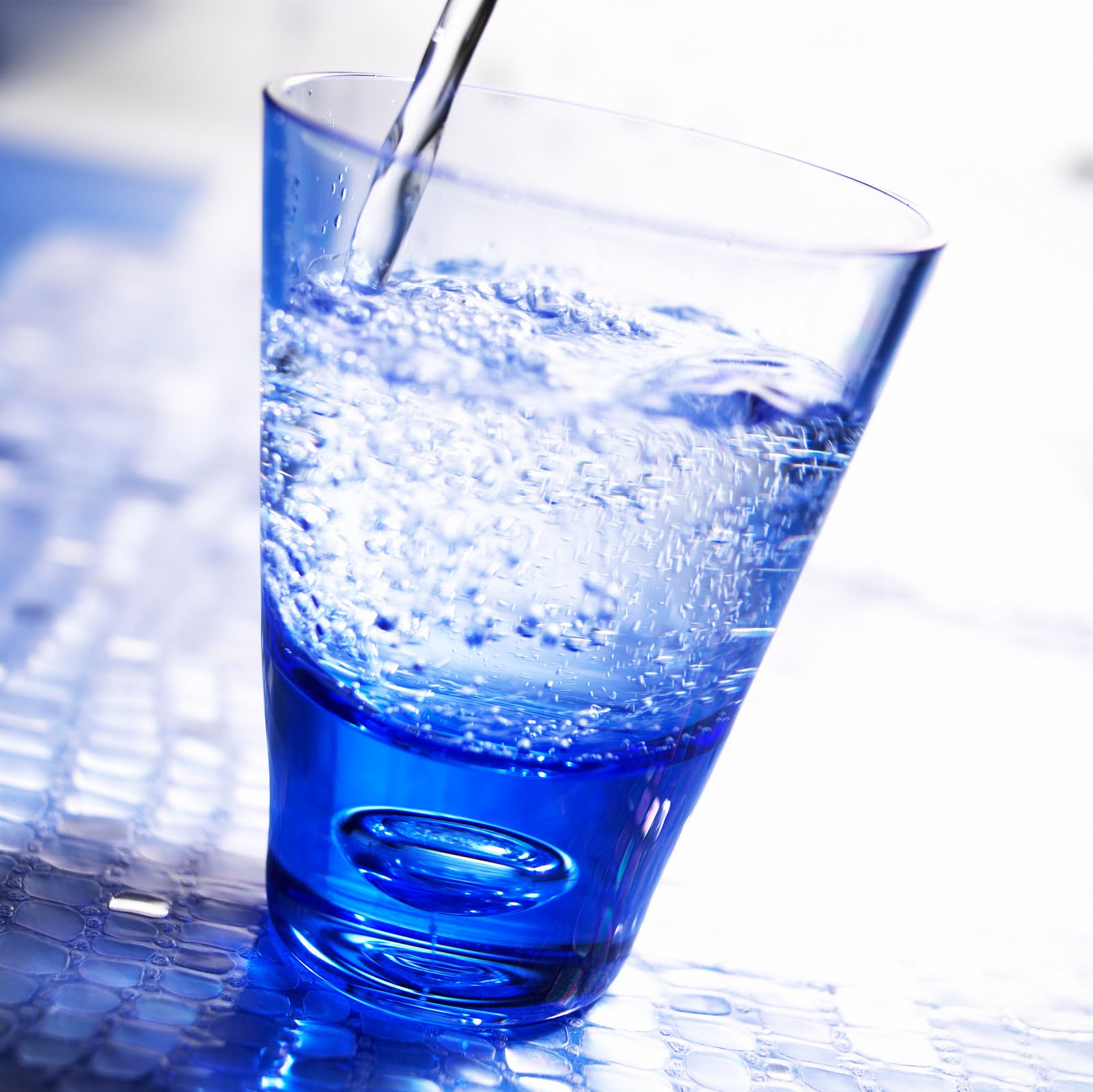
I  <3 Tap Water! (& stock photos, ha ha!)

When you're dehydrated your skin is the first place your body skimps of water, in an effort of keep what's needed for more important organs. I've increased my water intake to a solid five pints a day. I did this by replacing the jam jar I had been using as my water glass with a pint glass. I also started keeping a Klean Kanteen bottle at work that I use strictly for water.

Diet.

Raspberries and 80% dark chocolate: both sources of Vitamin C. (Image via Got Chocolate)

Julie Gabriel, author of Green Beauty Recipes, says, “A diet rich in magnesium, essential fatty acids, vitamin C, and beta-carotene naturally feeds your skin from inside and makes it less prone to dryness.” She recommends feeding your skin with a meal plan that includes dark chocolate, salmon and other fatty fish, oranges, mango, and carrots. (via 6 Natural Cures for Dry Skin)

Since there's no way I'm eating fish (#teamveg), I've been enjoying flaxseed oil (also packed with essential fatty acids) in my bowl of hot cereal every morning. (Update, December 2014: My naturopathic doctor also just recommended I take these high quality vegan Omega 3 supplements.)

Use a gentle soap.

I love Biggs & Featherbelle! Good ingredients = healthy, happy me!

Avoid washing your hands with harsh soaps or dish detergents. Antibacterial soap is the worst, so look out for Triclosan in the ingredients. Easy Immune Health reports, "The FDA, CDC, AMA, Health Canada and other governmental organizations have consistently stated that there is no benefit to handwashing with antibacterial soap to reduce illness in healthy people. At least one study has even shown that because of the drying and irritating effects of antibacterial soaps on the skin, the levels of harmful bacteria was increased in health care workers after numerous handwashings!"

Wear gloves.

Crushing on these fancy rubber gloves. (Image via maker MoonberryRain on Etsy)

I wear mittens whenever it's even just a little cold or windy. I also know I should be consistently wearing gloves when I hand wash dishes and clean. (This might be the hardest habit to take on!)

Exfoliate.

Gorgeous brown sugar scrub image via Vegan Beauty Review

It's important to remove dead skin for smoother feeling skin. Care2.com featured a list of 10 DIY Winter Skincare Recipes. They share a recipe for homemade sugar scrub: two parts sugar, one part olive oil or coconut oil, and your favorite essential oils. Yum! This DIY Clementine Hand Scrub looks good too!

Moisturize.

I'm nuts about Tropical Traditions Gold Label Virgin Coconut Oil!

Scott and Kendra at A Sonoma Garden share How to Make an Easy Winter Hand Salve. It's completely vegan (no beeswax) and uses just three simple ingredients: avocado oil, shea butter, and Vitamin E.

I hope to make my own salve soon, but in the meanwhile pure coconut oil has been a pretty sweet skin soother. I use it throughout the day, especially after washing. Before bed, after exfoliating, I apply lots to my hands and sleep in a pair of cotton gloves. (Pssst... Speaking of coconut oil, did you enter my coconut oil giveaway yet? It's going on now through 12/17/2012.)

Let's not forget that honey is an excellent moisturizer too!

Well, that's all I've got. What are your tricks for keeping your hands soft, smooth, and healthy this winter?

Olivia Lane is a Blogger, Green Living Educator, and Health Coach trained at The Institute for Integrative Nutrition. She's also author of Baking Soda & Bliss: The Healthy & Happy Guide to Green Cleaning 

Stay connected: Free Gift // Facebook // Twitter // Instagram // Pinterest // YouTube
Follow on Bloglovin

Wednesday, December 12, 2012

How to Clean a Juicer

One of the reasons many people don't take up home juicing is because it involves a lot of cleaning. I wanted to share this ad for Jade Yoga because it looks like the model Amy Ippoliti, a yoga instructor and lifelong juice enthusiast, has got it figured out.

Amy Ippoliti for Jade Yoga

She's brilliantly tucked a composting bag inside of the part of the juicer that shoots out the pulp. What a great way to make clean up and composting easier!

I went to her website and found more great juicing advice. In a blog post entitled, "Why I can't go a day without juicing," Amy recommends investing in the  Breville Elite 800 ($300, whoa!).  She writes, "It gives the silkiest, most quality juice and is a long lasting, easy to clean machine!" All the parts except for the mesh filter basket/Nutri Disc and food pusher can be washed on the top shelf of the dishwasher. Unfortunately, the basket can be the hardest part of a juicer to clean. Amy recommends using OXO Good Grips Dish Brush instead of the brush that comes with the machine to clean the basket.

Jolie Kerr, of TheHairpin.com's Ask a Clean Person column, dispensed some good advice for getting both your juicer and the produce you're juicing clean. Check it out: I Drank the Juice and It was a Mess.

I have a Breville Compact Juice Fountain ($100). I like it. I don't even mind the clean up (though it does keep me from making juice if I am in a time crunch). Drinking juice makes me feel like I am doing something special for myself, which always feels nice. My favorite juice is Kris Carr's Make Juice Not War Green Drink.

Do you have a juicer? What's your favorite juice to make at home or drink out at a juice bar?

Olivia Lane is a Blogger, Green Living Educator, and Health Coach trained at The Institute for Integrative Nutrition. She's also author of Baking Soda & Bliss: The Healthy & Happy Guide to Green Cleaning 

Stay connected: Free Gift // Facebook // Twitter // Instagram // Pinterest // YouTube
Follow on Bloglovin

Tuesday, December 11, 2012

Giveaway: Tropical Traditions Gold Label Virgin Coconut Oil

Let's start the day with some math: I think you're awesome + I think Tropical Traditions Gold Label Coconut Oil is awesome = I'm hosting a giveaway of one quart of Tropical Traditions Gold Label Coconut Oil. Yippee!

Tropical Traditions Gold Label Virgin Coconut Oil is hand crafted in small batches by family producers in the Philippines, it's USDA certified organic, and it's the highest quality coconut oil they offer. Superfancypants!

An entire quart of Tropical Traditions Gold Label Virgin Coconut Oil. Woo Hoo!

Wondering how virgin coconut oil is different from other coconut oils?  Read What is Virgin Coconut Oil? and watch the video below.


Tropical Traditions also carries other varieties of affordable high quality coconut oil, as well as other coconut products. Visit their website to check on current sales, to learn about the many uses of coconut oil, and to read about all the advantages of buying coconut oil online. Since the FDA does not permit discussion of the health benefits of coconut oil on a page where it is being sold or given away visit CoconutOil.com for more info on that topic.

Stay connected with Tropical Traditions: via YouTube // via Pinterest // via Google Plus // Tropical Traditions Special Deals // FreeCoconutOil.com //

Enter to win your very own quart of Tropical Traditions Gold Label Coconut Oil...
Subscribe to the Tropical Traditions Coconut Oil Special Sales Newsletter and enter the Rafflecopter-powered giveaway below. (*Mandatory*)
a Rafflecopter giveaway

How will you use the coconut oil if you win it? Check out all the things I did with this coconut oil and visit FreeCoconutRecipes.com for inspiration. Be sure to leave a comment below to earn extra Rafflecopter points.  

Disclaimer: Tropical Traditions provided me with a free sample of this product to review, and I was under no obligation to review it if I so chose. Nor was I under any obligation to write a positive review or sponsor a product giveaway in return for the free product.

Olivia Lane is a Blogger, Green Living Educator, and Health Coach trained at The Institute for Integrative Nutrition. She's also author of Baking Soda & Bliss: The Healthy & Happy Guide to Green Cleaning 

Stay connected: Free Gift // Facebook // Twitter // Instagram // Pinterest // YouTube
Follow on Bloglovin

Monday, December 10, 2012

4 Treats for a Healthy, Eco-friendly Period

Hey Goddess! Just wanted to share a few of my favorite super eco-friendly, super healthy menstruation goodies.

Instead of tampons, try the DivaCup.

DivaCup (Image via Becoming Cruncy blog)

I've used and loved The DivaCup for about seven years. My DivaCup changed my life—or at least my life for a few days every month. The DivaCup is a reusable, flexible silicone cup that collects all your menstrual fluids. It is very comfortable and since it works by catching fluids, it doesn’t do that crappy supersucking thing tampons are famous for if your flow is low. Besides, absorption isn’t really good for our bodies anyway. (Toxic Shock Syndrome anyone?)

In addition to being healthier than tampons, this dandy cup will also save you some cash and help you save the planet. It’s only $35 which is a bargain compared to even just a year's worth of disposables. Not using those tampons means you're keeping those tampons and their plastic wrappers and applicators and cardboard boxes out of landfills.

Perhaps the best thing about The DivaCup is owning one means never having to send your partner, kids, or (worst yet) your crampy self out to the bodega to pick up emergency tampons or pads. (Excerpted from my article in Satya magazine.)

Tip: Clean your DivaCup by boiling it for 5 minutes. More cleaning and care tips here.


Try a fabric pad.

Limited Edition Hipster LunaPanties (Image via LunaPads.com)

I am not a huge fan of pads, but occasionally I need extra overnight protection so I use a washable cloth menstrual pad. It's basically a swatch of terry cloth that snaps onto my panties. Hot! Not really, but it is conserving resources and keeping lots of chemicals and waste out of the landfills, which is definitely hot.

LunaPads.com is a great source of washable cloth menstrual pads, including these menstrual panties, which actually seem kinda sexy! You can also make your own.

Try organic cotton tampons and pads.

NatraCare

Why? I'll share the wise words of one drunk shopper overheard in an eco-friendly boutique: "You don't wanna be sticking chemicals in your chicken."

Conventional lady products are made of rayon (or a cotton-rayon blend) and treated with chlorine bleach and pesticides. Many also contain synthetic fragrance made from hormone disrupting chemicals. (Check out PracticallyGreen.com for more info.)

Whenever I know using a DivaCup won't be easy (no sink in ladies room), I use either NatraCare products or Maxim's organic tampons. I just noticed that Seventh Generation also makes a line of organic cotton tampons and natural pads made from a superabsorbent wheat-derived material. Choose no-applicator tampons and unwrapped pads whenever possible to reduce waste.

Remove blood stains naturally.

Image via Ruby's Red Wash

Skip the chlorine bleach or Shout. Instead use Ruby's Red Wash, an all natural enzyme-based menstrual blood stain remover. I've used it once and it worked like a charm. According to user testimonials, it works on even dried-in stains.

If you don't have this product, try to treat the stain as soon as possible. Rinse it with cold water. If that doesn't take care of it, try your luck with lemon juice, hydrogen peroxide, salt, washing soda, or dish detergent. I'm still learning good laundry habits, but each of these have worked for me at least once. Whatever you do, don't use hot water or put a stained garment in the dryer, as the heat will set the stain.


Olivia Lane is a Blogger, Green Living Educator, and Health Coach trained at The Institute for Integrative Nutrition. She's also author of Baking Soda & Bliss: The Healthy & Happy Guide to Green Cleaning 

Stay connected: Free Gift // Facebook // Twitter // Instagram // Pinterest // YouTube
Follow on Bloglovin

Friday, December 7, 2012

10 Uses for Coconut Oil

Tropical Traditions saw my DIY Deodorant Cream post and was kind enough to send me an quart of their fantasticly fancypants unrefined, handmade organic Gold Label Virgin Coconut Oil to play with. Oh, the fun I am having!


A quart of coconut oil is a lot; the good news is there are hundreds of culinary and personal care uses for coconut oil. In just 2 days I've used it in the following ways:

I used it as substitute for margarine when baking vegan peanut butter cookies. Delicious! Normally I use Earth Balance when baking, but I much preferred the slightly sweeter, more natural flavor of the coconut oil. Lots of folks on the internet say they don't notice the taste of coconut when it's cooked or baked, but the four friends who tried my cookies said they could taste the difference a little. It wasn't overwhelmingly coconut-ty, but definitely noticeable. 

I added a tablespoon of it to a cup of brown rice while it was cooking. OMG! Flavor City! I think I will always make rice this way! Again, it tasted of coconuts.

I sauteed tofu and broccoli in the coconut oil instead of my regular olive oil. It was mildly coconut-ty and superyummy, but broccoli is my favorite food so it's not fair to judge. (I once saw a bunch of raw broccoli in the middle of the street, slightly damaged from being run over by passing cars, and felt hunger pangs.)

I popped popcorn in it. Eh. I was underwhelmed. Canola oil remains my favorite popcorn popping oil.

I used it on my hair. I deep conditioned my supercoils (#team4A, yay!) with about a tablespoon of it overnight. The next day I washed and conditioned my hair, and spritzed it with a mix of aloe, water, and essential oils, then sealed in the moisture with another half tablespoon of coconut oil. This has been part of my hair ritual for a while. I've tried coconut oil, olive oil, and various conditioners/ moisturizers marketed for curly hair, but this was my first time using this brand and grade of coconut oil. Tropical Traditions did not disappoint. My hair feels supersoft and is very shiny!

I used it to moisturize my skin when I got out of the shower, after washing my hands, and as a lip balm after brushing my teeth. This has long been my favorite use for coconut oil. Tropical Traditions was excellent. It feels supercreamy- perhaps creamier and richer than other kinds I've tried, maybe because it is unrefined- and it smells divine.

I even tried oil pulling, an Ayurvedic practice where you swish oil around in your mouth for twenty minutes first thing in the morning. Holding the oil plus twenty minutes worth of saliva (eek!) in my mouth was harder than I thought it would be, but I did it- twice- and I think I'll keep on doing it. My teeth feel so clean afterwards, I feel a little guilty about drinking my morning coffee.

I totally want to make hot cocoa with it too. I've been overdosing on the aforementioned cookies so in the interest of muffin-top prevention, I'm waiting until next week to try it.

I've totally been dying to try some of Renee at MadeOn:'s hard lotion recipes. Perhaps Santa will give me a kit. (I hope Santa reads this blog!)

And because I'll try anything twice so long as it's tweaked a little, I'm considering trying the oil cleansing method again. This time with coconut oil and a fat stack of washcloths. I'll be sure to keep you tuned in!

Check out these links for other uses for coconut oil:
FreeCoconutRecipes.com
No More Dirty Looks: 10 Amazing Things You Can Do with Coconut Oil
Hybrid Rasta Mama: 333 Uses for Coconut Oil

Do you use coconut oil? How? If you've never used coconut oil before, be extra sure to stay tuned and enter the Tropical Traditions coconut oil giveaway I'll be hosting soon!

Wanna know what's so special about Tropical Traditions Gold Label Virgin Coconut Oil? It's handmade the traditional way on small family USDA certified organic farms in the rural Philippines. Check out the video:


Disclaimer: Tropical Traditions provided me with a free sample of this product to review, and I was under no obligation to review it if I so chose. Nor was I under any obligation to write a positive review or sponsor a product giveaway in return for the free product.

Olivia Lane is a Blogger, Green Living Educator, and Health Coach trained at The Institute for Integrative Nutrition. She's also author of Baking Soda & Bliss: The Healthy & Happy Guide to Green Cleaning 

Stay connected: Free Gift // Facebook // Twitter // Instagram // Pinterest // YouTube
Follow on Bloglovin

Tuesday, December 4, 2012

Kris Carr Chats Toxic Chemicals and Body Burden with EWG

Head over to KrisCarr.com to see her chat with Heather White, Environmental Working Group's Executive Director about body burden and toxic chemicals in personal care, cosmetic, and cleaning products. I'm not embedding the video because I really want to encourage you check out Kris Carr's site and perhaps fall down a rabbit hole of awesome lifestyle shifts.

Kris Carr (image via The Chalkboard)
Kris Carr is one of the most contagiously enthusiastic women of wellness. In case you're not familiar with her, I'll brief you: Kris is a cancer survivor who healed herself with plant-based foods, herbs, and yoga. She shared her story in the documentary Crazy Sexy Cancer. She then wrote the New York Times bestseller Crazy Sexy Diet which launched her even further into popular culture. Now Kris Carr is an unstoppable brand with a new cookbook and a new website. She is amazing and I love her!

The Environmental Working Group is pretty fantastic too. EWG works to inform and educate consumers about the chemical ingredients lurk in everyday products. They also mobilize citizens to take action. This includes to lobby for the replacement the ancient and weak Toxic Substances Control Act of 1976 (the only federal regulation of chemicals in industrial consumer products) with the Safe Chemicals Act of 2011.

Heather White shared some pretty scary stats and facts. Two points she raised that I find most compelling:
  • Toxic substances like PCPs and DDT that were banned 30 years ago have been discovered in newborn babies. Yikes! (And check this out: 232 chemicals found in the minority infants. #environmentalinjustice)
  • We can't shop our way out of this. Making personal consumer choices aren't enough to make these scary chemicals not our problem. We must demand federal regulations to get these chemicals out of the marketplace in order to protect the environment, ourselves, and future generations.

The video reminded me how important it is that I continue to advocate for the support of the Safe Chemicals Act, especially now that I live in a new state. What did you take away from the video or Kris' blog post?

Olivia Lane is a Blogger, Green Living Educator, and Health Coach trained at The Institute for Integrative Nutrition. She's also author of Baking Soda & Bliss: The Healthy & Happy Guide to Green Cleaning 

Stay connected: Free Gift // Facebook // Twitter // Instagram // Pinterest // YouTube
Follow on Bloglovin

Monday, December 3, 2012

How to Make Your Own Washing Soda

Lots of DIY green cleaning solutions call for washing soda, but it can be hard to find. It's typically in the laundry and cleaning supplies aisle of supermarkets, drugstores, and hardware stores, but it's not in every shop. I was surprised and disappointed when I couldn't find it at my neighborhood Whole Foods.

I turned to the internet for help and discovered instructions for turning baking soda into washing soda at Nature's Nurture blog! I enthusiastically decided to give it a go. Here's what I did:

Preheat oven to 400 degrees.

Spread out desired amount of baking soda on a baking dish. Sarah suggests using a shallow baking pan. I don't have one, so I made do with my casserole dish.


Heat for 30 minutes or longer. Stir often.

Keep checking on it until it transforms from baking soda, which is a powdery, crystallized, and clumpy substance, to washing soda, which is grainy, dull, and opaque. (Paraphrasing Penny, who also blogged about this.)

I had to heat my one cup of baking soda forever (about 75 minutes) because I didn't have a shallow pan or really bother to stir much. Two lessons learned: Borrow a cookie sheet from a neighbor. Don't be lazy.
This is what I ended up with:


Homemade Washing Soda
Honestly, it's kind of hard to look at it and tell the difference. It does feel a little grainer when I poke at it with a rubber spatula.

It's easier to see the difference when I look at baking soda and washing soda side by side.


Guess I'll really know once I use it. Heaven knows there are so many uses for it. And yes, it's caustic, so I'll be wearing gloves when I do!

While it's fun to know another MacGyver-ish baking soda move, I don't think this will become my preferred method of procuring washing soda. At 6 cents per ounce Whole Foods brand baking soda is cheaper than the 9 cents per ounce Ace Hardware website lists for Arm & Hammer Super Washing Soda, but I'm not sure the savings warrant the effort and gas I put into it. Maybe if I were making lots of it at once...

According to the Arm & Hammer product locator, their products are also sold at Walmart, Costco, Home Depot or Lowe’s. Another blogger says you can find it at Amazon, Kmart, Ace Hardware, Dollar General, and other big box stores.

You can also buy Nellie's All Natural Laundry Soda on Amazon. It's a superpricey 32 cents per ounce but it's nice to buy from a company like Nellie's that is certified cruelty-free and is committed to not testing any of it's products or ingredients on animals. Arm & Hammer can't say the same.

Olivia Lane is a Blogger, Green Living Educator, and Health Coach trained at The Institute for Integrative Nutrition. She's also author of Baking Soda & Bliss: The Healthy & Happy Guide to Green Cleaning 

Stay connected: Free Gift // Facebook // Twitter // Instagram // Pinterest // YouTube
Follow on Bloglovin

AddThis

Related Posts Plugin for WordPress, Blogger...
